MPs say bill payers carry most of the cost risk on Sizewell C
The Public Accounts Committee says households and taxpayers carry most of the cost risk on the Suffolk nuclear plant, while the government says the deal pushes investors to build it quickly and cheaply.
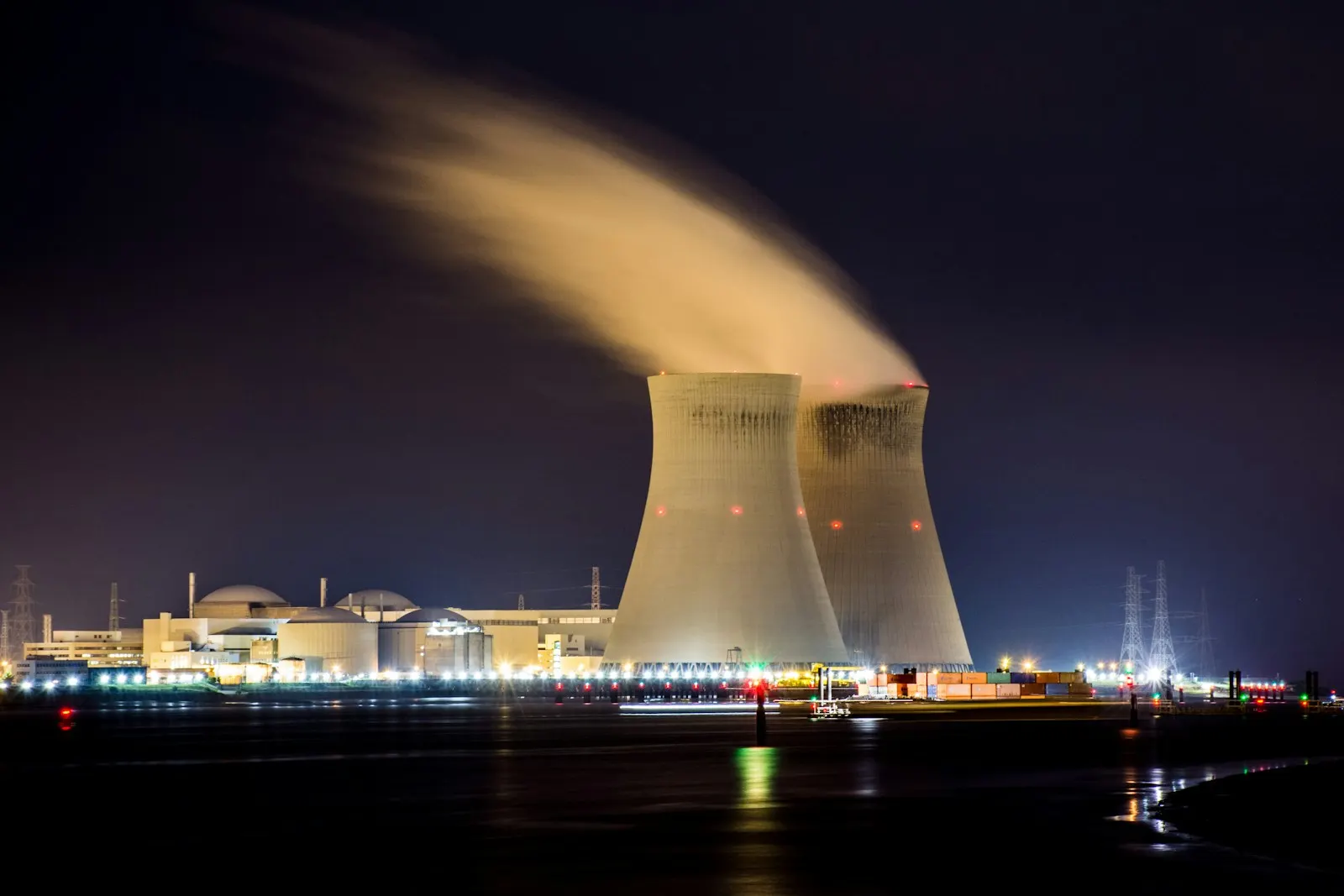
Energy bill payers could have to put an extra £9.8bn towards building the Sizewell C nuclear power station before 2040 if the project's costs climb, according to a report by MPs published on Wednesday.
The Public Accounts Committee, the cross-party group of MPs that examines how public money is spent, said a further £12bn could fall on consumers over the plant's 60-year working life. If costs run over, the private investors would need to add about £30m between them, the committee found.
The government's own estimate puts the cost of Sizewell C at between £40.5bn and £47.7bn, with construction finishing at some point between 2039 and 2043.
Who owns it and who pays
The project, on the Suffolk coast, is funded through a mix of taxpayers' money and a charge on energy bills while it is being built.
The current shareholders are:
- the UK government, 44.9%
- La Caisse, a Canadian investment group, 20%
- Centrica, the owner of British Gas, 15%
- EDF, the French state nuclear company, 12.5%
- Amber Infrastructure, 7.6%
The government ended up with a larger share than first planned after it bought out the Chinese state nuclear company CGN, which had held 20%.
The committee described the level of risk carried by taxpayers and consumers as extraordinary.
What MPs have asked for
The report asks the government to publish the scenario analysis behind its cost estimates within three months. It also wants progress updates every six months, written so the public can follow them, including the expected effect on bills and the returns investors are forecast to make.
On the plant's eventual closure, the committee warned that taxpayers could have to cover any gap if decommissioning costs more than the money set aside. It wants a report every five years comparing that fund with the expected bill.
The government's answer
A government spokesperson said the report ignored the fact that the deal gives investors a reason to finish construction as cheaply and quickly as possible. The government said Sizewell C could save £2bn a year across the energy system once it is running, and that more than 2,000 people are already working on the site.
Sizewell C follows Hinkley Point C in Somerset, the other large nuclear plant now being built in England.