Homes with a weight-loss drug user spend £389 a year less on groceries
Worldpanel's latest tracking puts a GLP-1 user in 8.5% of households in Great Britain, with crisps and alcohol losing out and frozen ready meals gaining.
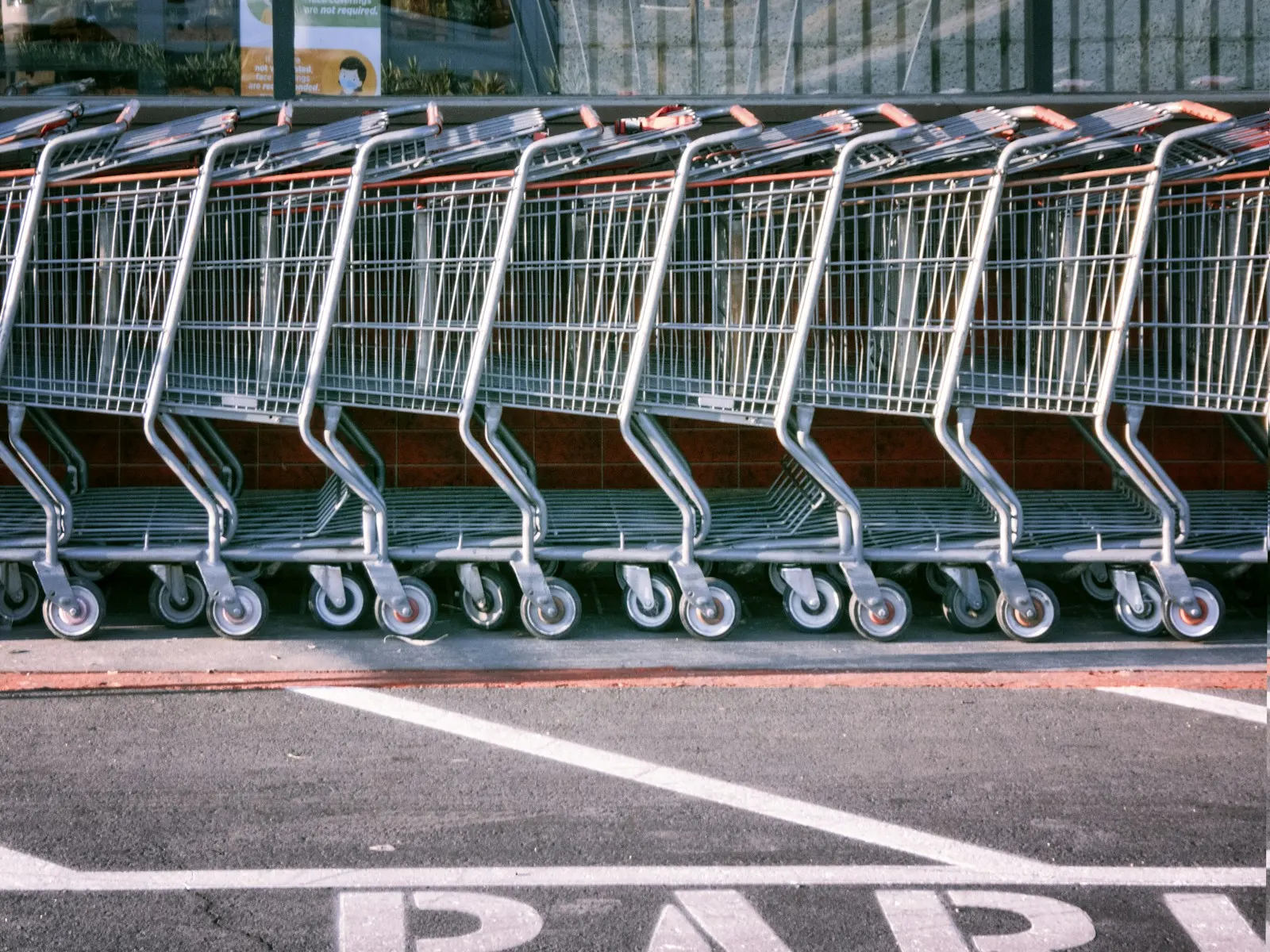
Households where someone takes a GLP-1 weight-loss drug spent £389 less on groceries than expected in the year after they started, according to new figures from the research company Worldpanel by Numerator.
Worldpanel compares those homes with similar households where nobody uses the drugs. Added up across Great Britain, it estimates the gap now takes about £1bn a year out of grocery spending, up from the £780m it calculated in June. That works out at 415 million fewer items bought.
Who is using them
In August, 8.5% of households had at least one GLP-1 user, up from 6.3% in February. Worldpanel puts the number of adults taking the medication at about 2.6 million and expects users to be found in more than one in 10 homes during 2027.
Two things have driven the rise since February:
- Pills. Tablet versions were approved by the medicines regulator, the MHRA, in June, and by August they accounted for 11.2% of users.
- Men. The number of male users rose from 440,000 in February to 830,000 in August, taking their share of all users from 23% to 32%.
What goes in the trolley
The biggest cuts are in treats and impulse buys. Spending on crisps by user households has fallen 15%, and their spending on alcohol has dropped 15% more than in homes without a user.
Other lines are gaining. Volumes of frozen ready meals bought by user households are up 30%, and spending on hot chocolate and malted drinks has risen 22%.
Away from food, user households spent £78m more than expected on health and beauty products in the first year, and 30% said they had spent more on clothes and shoes.
Worldpanel has tracked how the drugs affect shopping since March 2024. This latest round of its research surveyed more than 9,600 households.