Electricity supplies to homes expected to stay secure this winter, grid operator says
The National Energy System Operator forecasts a spare margin of 5.9GW at peak times, similar to last winter, but says there may still be a few tight days when it is cold and calm.
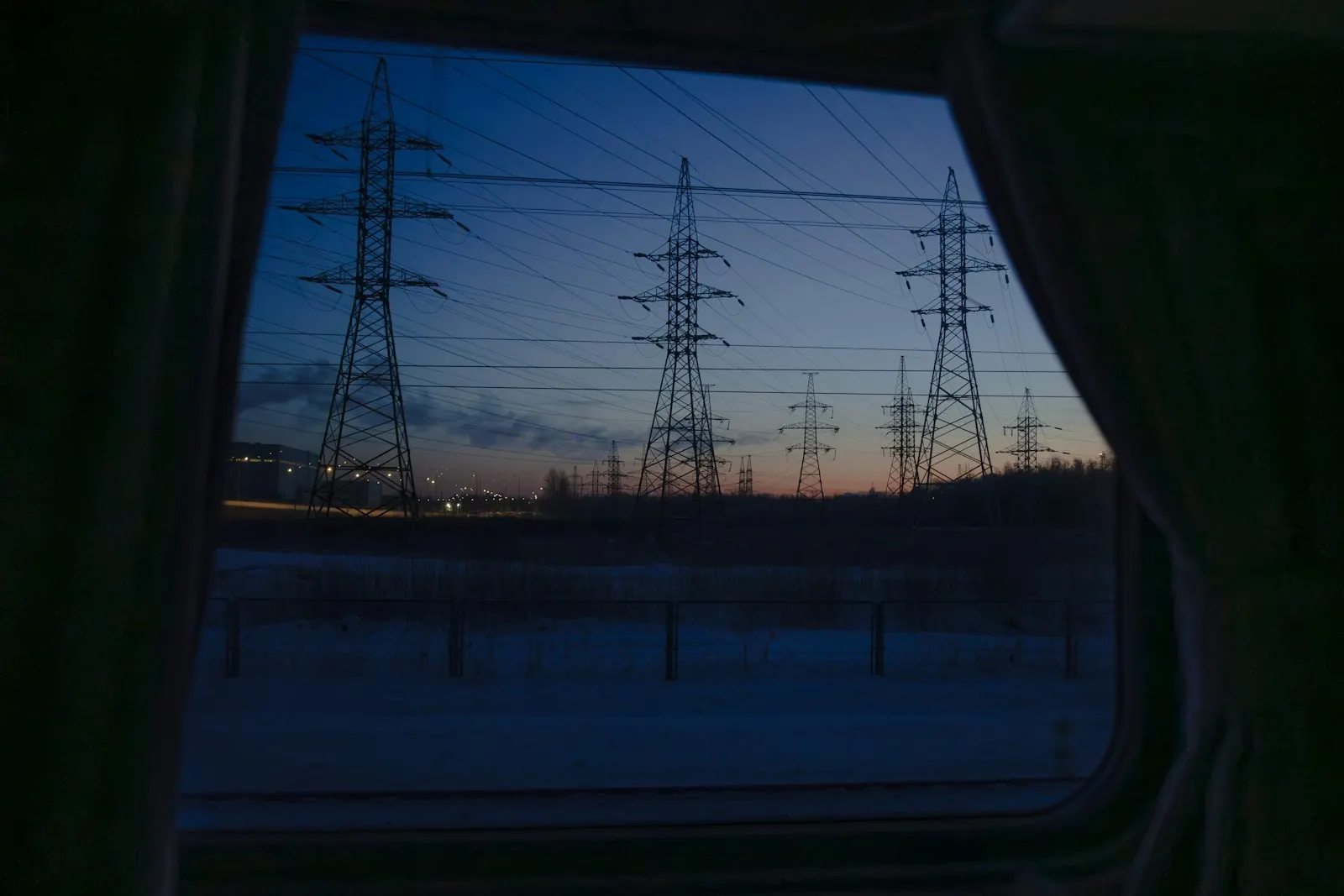
Households in Great Britain should have the electricity they need this winter, according to the body that runs the national grid. The National Energy System Operator (NESO) published its Winter Outlook for 2026/27 on Friday and said it expects supplies to remain secure from the end of October to the end of March.
NESO forecasts an operational surplus of 5.9GW at the busiest times. In plain terms, that is the amount of extra generating capacity it expects to have on hand over and above the most electricity the country is likely to need at once. It works out at a buffer of 9.5% above NESO's estimate of peak demand.
The operator said this was broadly the same as the margin it forecast for last winter, and higher than in the winter of 2022, during the energy crisis, when the system still ran securely with less room to spare.
How the forecast is made
NESO said it modelled 30,000 different scenarios for every day of the winter, testing what would happen with different temperatures, levels of demand, wind speeds and power station breakdowns. It said the outlook falls within the reliability standard set by the government.
The extra headroom this year comes from a mix of new battery storage, gas-fired power stations and more wind farms. Wind was the largest single source of Britain's electricity last year, producing almost 30% of the total, just ahead of gas.
Tight days and what notices mean
The operator warned that there could still be some tight days, typically when it is very cold and there is little wind, so demand is high and wind farms produce less.
On those days its control room may issue what are called Electricity Margin Notices or Capacity Market Notices. These are messages to power producers asking for extra generation to be made available. NESO stressed that they are routine tools and are not a warning of power cuts, so households who see them in the news do not need to do anything.
What it means at home
The outlook is about whether there is enough electricity to go round, not about prices. It does not change what households pay, which is still governed by the energy price cap and individual tariffs.
Local power cuts can still happen during storms, when wind brings down overhead lines or damages equipment. These are handled by the regional network operators rather than NESO. Customers who would need extra help during a cut, such as people who use medical equipment at home, can sign up for free to the Priority Services Register through their energy supplier or network operator.
The report comes as the government urges households to keep a small stock of essentials, including a torch and a battery or wind-up radio, in case everyday services are disrupted by severe weather.