Who can get a free NHS eye test and help with the cost of glasses
Children, over-60s and people with certain conditions or benefits can have their sight tested for free in England, and in Scotland everyone can. Here is who qualifies and how optical vouchers work.
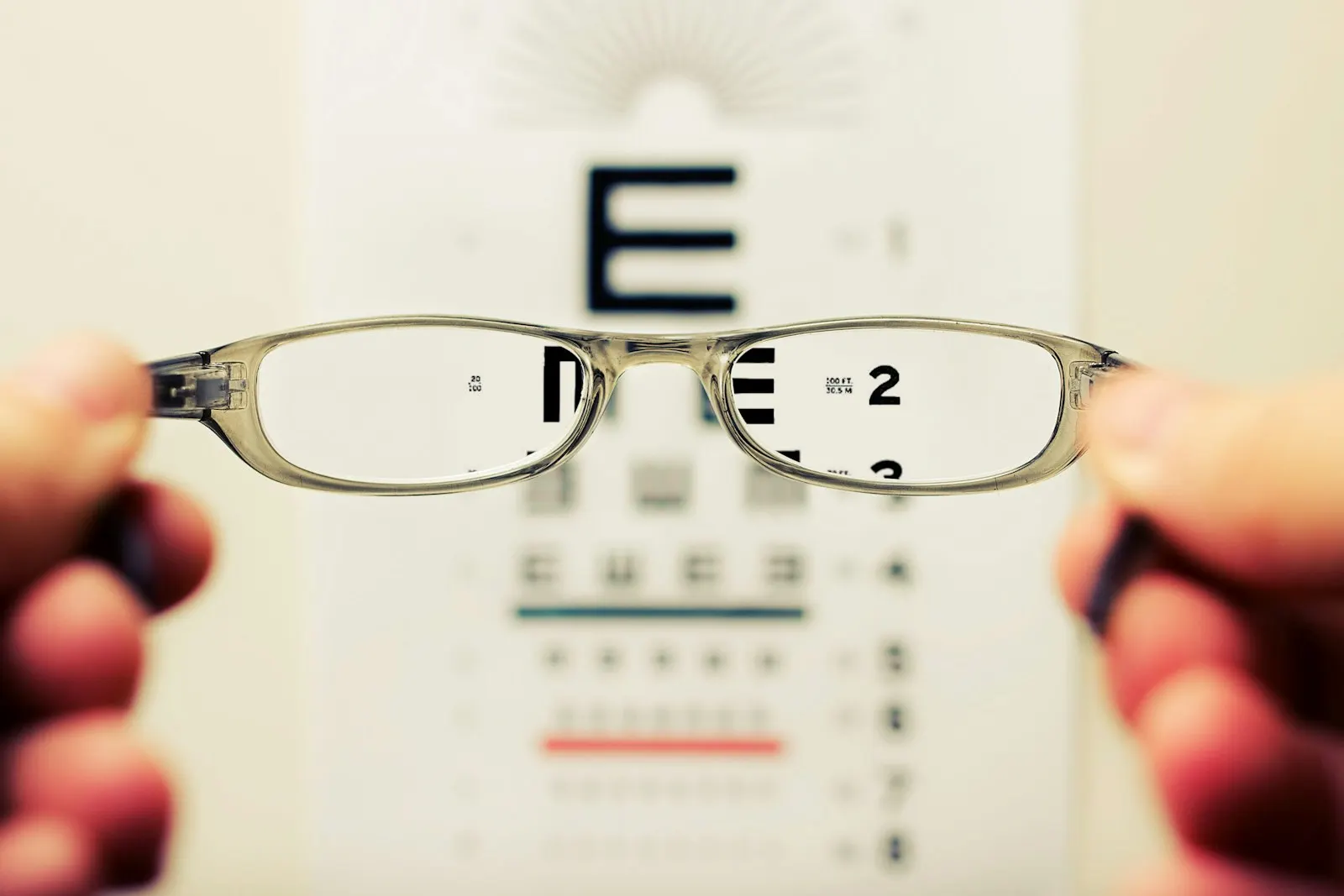
An eye test checks more than whether you need glasses. The optometrist also looks at the health of your eyes and can spot early signs of conditions such as glaucoma, which may have no symptoms at first. If you are entitled to a free NHS test, you can have one every two years, or more often if your optometrist recommends it.
This is general information based on NHS guidance. Your optician can tell you whether you qualify for help.
Who gets a free NHS sight test in England
You can have a free NHS eye test if you:
- are under 16
- are 16, 17 or 18 and in full-time education
- are 60 or over
- are registered as partially sighted or blind
- have been diagnosed with diabetes or glaucoma
- are 40 or over and your mother, father, brother, sister, son or daughter has glaucoma
- have been told by an eye doctor that you are at risk of glaucoma
- are eligible for an NHS complex lens voucher
- receive, or your partner receives, certain benefits: income-based Jobseeker's Allowance, the Pension Credit guarantee credit, or Universal Credit if you meet the criteria
- are named on a valid NHS certificate for full help with health costs, known as an HC2
Opticians who provide NHS tests will ask you to confirm which group you are in, and they may ask for proof.
Scotland, Wales and Northern Ireland. In Scotland, NHS eye examinations are free for everyone. In Wales and Northern Ireland, the rules are similar to England's, and Wales also offers free eye examinations to some additional groups through its own eye care service. Check with your optician or the NHS website for your nation.
Help with glasses and contact lenses
Some people can also get an NHS optical voucher, which goes towards the cost of glasses or contact lenses. The value depends on your prescription. Groups who can get vouchers include:
- children under 16
- young people aged 16 to 18 in full-time education
- people receiving the qualifying benefits listed above
- people named on a valid HC2 certificate
- people who are eligible for an NHS complex lens voucher
If the glasses you choose cost more than the voucher, you pay the difference. Many opticians have a range of frames that can be fully covered by a voucher, so ask to see them.
If you cannot get to an optician. People who cannot leave home without help because of illness or disability may be able to have an NHS sight test at home. Your local optician, or your GP surgery, can tell you which services offer home visits in your area.
Low income but not on benefits? If you are on a low income but do not get one of the qualifying benefits, you may still get help through the NHS Low Income Scheme. You apply using an HC1 form, and if you qualify you receive a certificate called HC2 for full help or HC3 for partial help. These certificates can also help with other health costs, such as prescriptions and dental treatment.
Do not wait for the reminder. Signs that you should book a test sooner include headaches when reading, blurred vision, or finding it harder to see at night. Any sudden change in your sight, eye pain or a red eye with blurred vision needs urgent attention. Contact NHS 111, or go to A&E in an emergency.