Food Standards Agency publishes new advice on preserving food safely at home
The guidance covers jams, pickles, ferments, curing and home canning, and warns that badly preserved food can carry the toxin that causes botulism without looking or smelling any different.
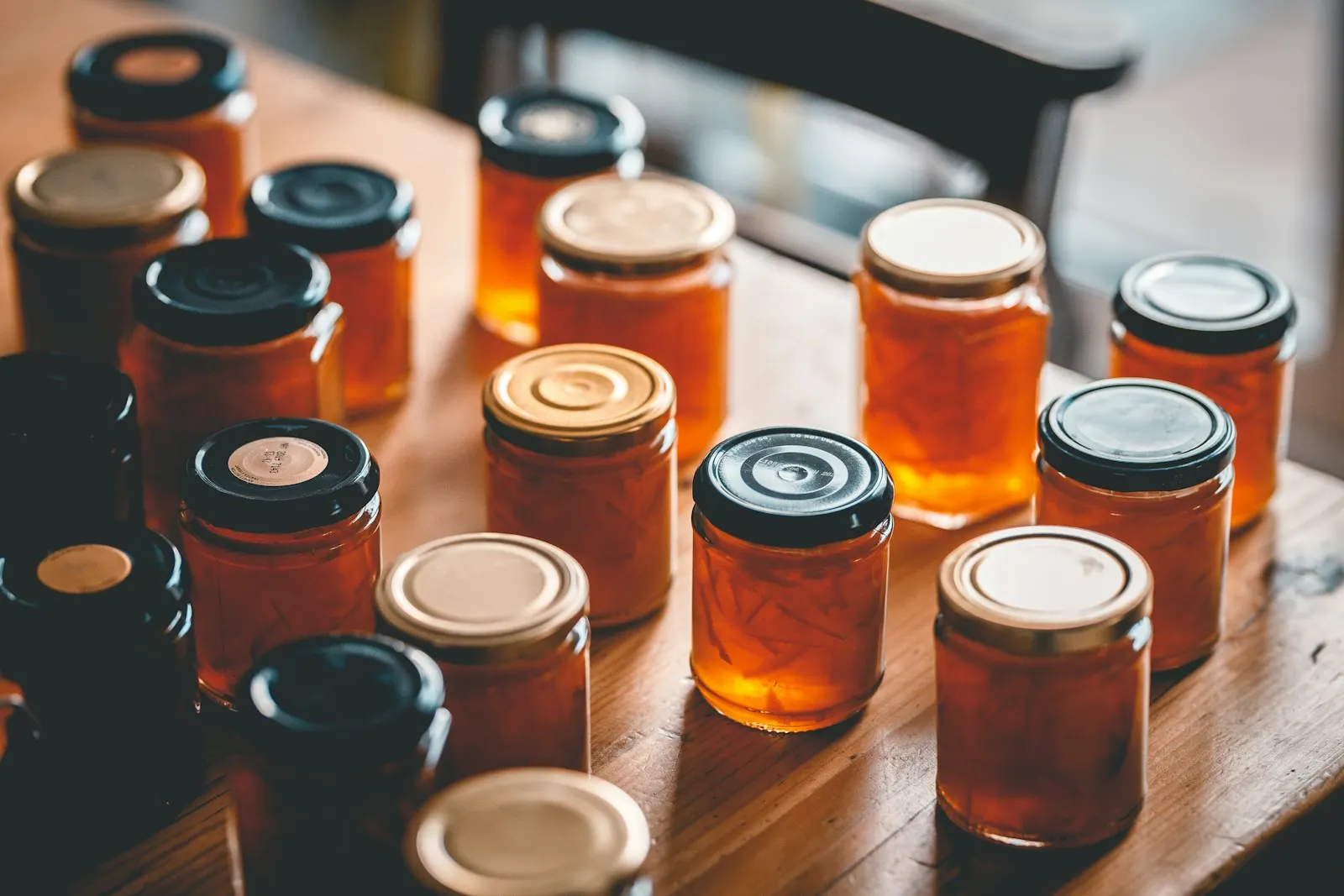
Anyone filling jars with chutney, pickled onions or sauerkraut this autumn has new official guidance to follow, after the Food Standards Agency published a consumer advice page on preserving food at home.
The guidance, which went online on Monday evening, says home preservation can be safe when done properly but that mistakes can have serious results. Its main message is to understand the method being used, follow trusted instructions exactly and not take a chance on anything that might not have been preserved correctly.
The biggest risk it highlights is Clostridium botulinum. The bacterium can survive as spores that are not killed by ordinary cooking. Under certain conditions those spores can grow and produce the toxin that causes botulism, a rare illness that attacks the nervous system and can lead to paralysis or death.
What makes it dangerous is that affected food may look, smell and taste normal. The FSA says people should not rely on their senses to judge whether a preserve is safe.
When to throw it out
The agency advises against eating preserved food if:
- the jar, tin or container is bulging
- it is leaking, damaged or badly rusted
- there are signs of mould or spoilage
- you are not sure it was preserved safely
Canning needs particular care
The page runs through seven methods: canning, curing, smoking, salting, fermenting, pickling and sugaring. It singles out canning and bottling as difficult to do safely at home, because the food has to reach the right temperature for the right length of time, and that depends on the type of food, how acidic it is and the size and type of jar.
The FSA's separate guidance on botulism adds that bottling herbs or garlic in oil is risky, because it is hard to control the conditions well enough at home to destroy the spores or stop them growing. The new page also points out that cold smoking adds flavour without fully preserving food. Cold-smoked products usually need curing first and still have to be kept in the fridge unless they have been properly dried.
Social media gets a specific mention. The agency says preserving tips posted online do not always come from people with the right knowledge, and that recipes should come from a reputable source and be read in full before starting.
Its other practical steps are to sterilise jars when a recipe says to, check lids and seals for damage, use fresh ingredients, and label every jar with what it is and the date it was made.