What to reset around the house when the clocks go back
Phones look after themselves, but the oven, the car, the boiler timer and the central heating schedule usually do not. Here is how the October change works and what to check.
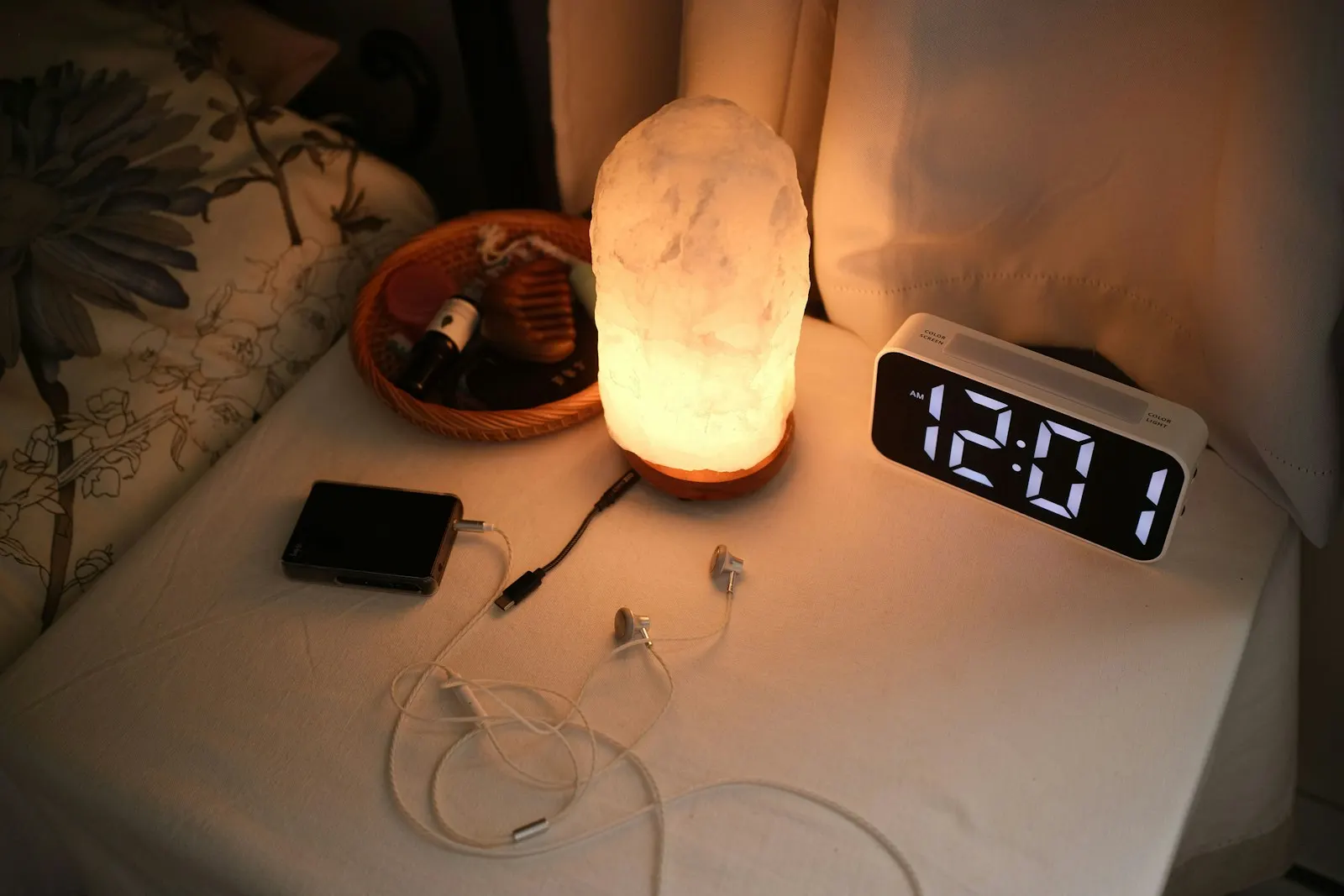
Every autumn the UK gets an extra hour in bed, and every autumn a fair number of households find the heating coming on at the wrong time a week later. The change itself is simple. The fiddly part is the handful of clocks around the home that do not update on their own.
When the change happens
British Summer Time ends at 2am on the last Sunday in October. At that moment clocks go back one hour to 1am, and the country returns to Greenwich Mean Time for the winter. The hour is then given back on the last Sunday in March, when clocks go forward at 1am.
The rule is the same every year, so the date moves around slightly but always falls on a Sunday morning, when the fewest people are travelling or working.
Why we do it at all
Summer time was first introduced in 1916, after a long campaign by a builder called William Willett, who wanted to make better use of light summer evenings. The arrangement has been tweaked several times since. During the Second World War the country used "double summer time", two hours ahead of GMT in summer. Between 1968 and 1971 the UK tried staying an hour ahead all year round, before going back to the familiar pattern of changing twice a year.
The devices that change themselves. Most of the clocks people look at every day now look after themselves. Smartphones, tablets, computers, smartwatches and smart speakers set their time from the network or the internet and will show the right time when you wake up on Sunday. Many digital TV boxes do the same, as do radio-controlled clocks.
If a phone does not update, check that the date and time setting is on "automatic" rather than set by hand.
The ones you will need to change by hand
This is where the extra hour can trip people up. Go round the house on Sunday and check:
- The oven and microwave. These rarely update themselves, and a wrong oven clock matters if you use a timer for cooking.
- The car. Many cars still need the dashboard clock changing manually. The handbook will show you how.
- The boiler and heating programmer. If your heating runs on a timer, a clock that is an hour fast will warm the house an hour early each morning. Some smart thermostats adjust automatically, but older programmers usually do not.
- Immersion heater and storage heater timers. Households on time-of-use electricity tariffs should check these carefully, because a wrong clock can move heating into the more expensive part of the day.
- Alarm clocks, wall clocks and bedside radios without a radio signal.
- Timers on lights, pond pumps and security lighting, which can switch on at the wrong time if they are left alone.
Darker evenings. Once the clocks go back, the sun sets an hour earlier by the clock, so school runs and walks home from work happen in the dark much sooner. It is a good moment to check that outside lights work, that children have something reflective for walking home and that bike lights are charged.
The mornings, on the other hand, get a little lighter for a few weeks, before the shortest days arrive in December.