Tube drivers in the RMT to strike on eight days between November and February
The first 24-hour walkout starts at noon on Thursday 26 November, with two more before Christmas, in a dispute over London Underground's four-day week plan.
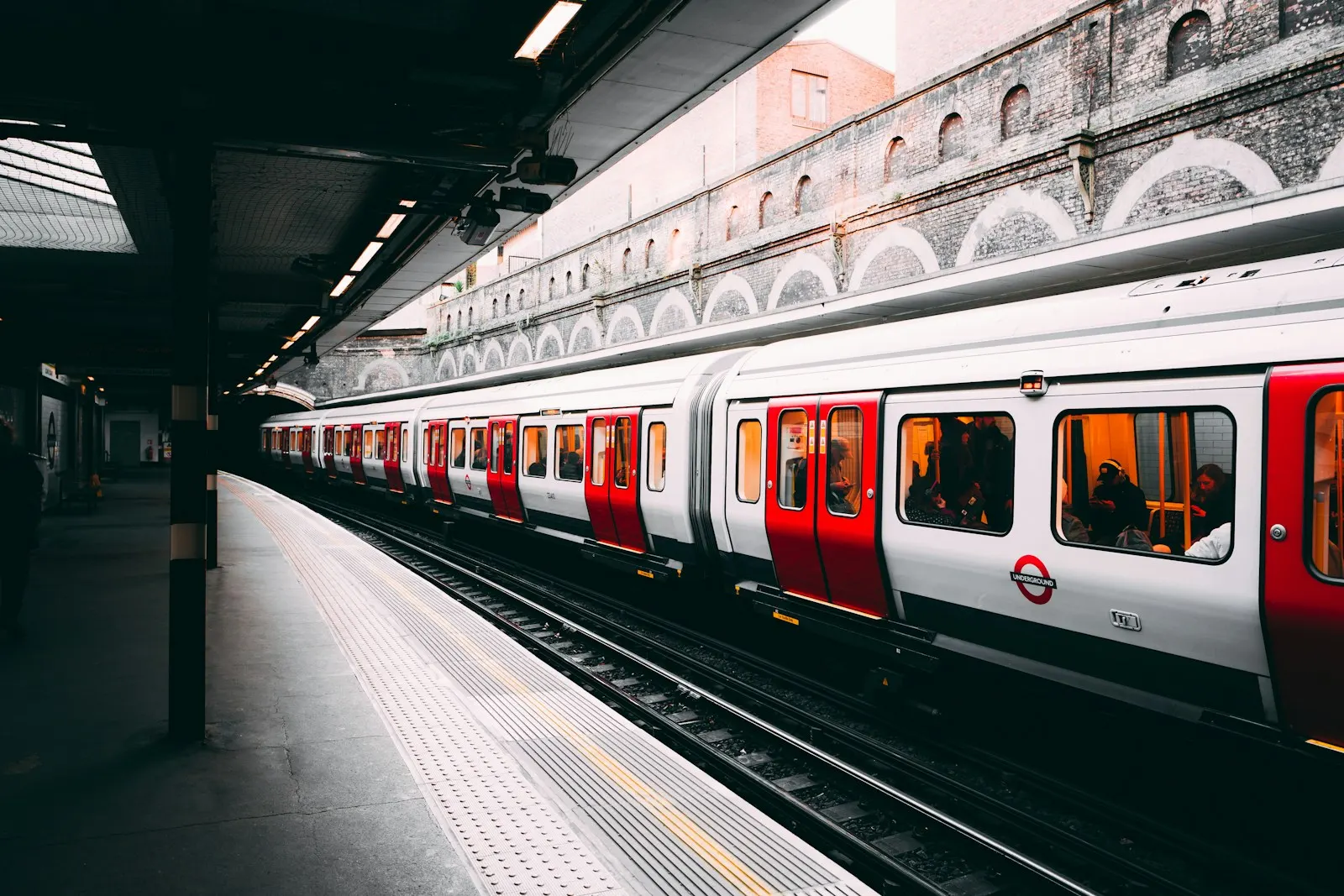
London Underground drivers who belong to the RMT union are to hold eight 24-hour strikes over the next four months, starting later this month.
The union announced the action on Friday. Each strike begins at noon on these days:
- Thursday 26 November 2026
- Thursday 17 December 2026
- Saturday 19 December 2026
- Monday 4 January 2027
- Wednesday 6 January 2027
- Wednesday 17 February 2027
- Tuesday 23 February 2027
- Thursday 25 February 2027
Because each walkout starts at midday and runs for 24 hours, it stretches across two days.
The four-day week plan
London Underground plans to offer drivers a four-day working week alongside a new Trains Modernisation Framework. The RMT says the plans would undermine existing agreements and leave drivers working longer days, and it wants a guarantee that anyone who stays on their current arrangements will not lose out.
TfL says the four-day week would be voluntary and would mean fewer hours at work overall. Under its proposals most drivers' weekly hours would fall from 36 to 35, with paid meal breaks introduced so that contractual hours stay the same. It says drivers who choose to stay on a five-day week would be guaranteed to remain at the same depot.
The RMT represents about half of the network's drivers. Many of the others belong to Aslef, which supports the voluntary four-day week and has said it was surprised by the strike call. Strikes in the spring over the same proposals led to some lines being closed completely.
Talks have continued since then without an agreement. The business group BusinessLDN has warned that the pre-Christmas dates are likely to hit hospitality firms in particular, and has called on both sides to settle.